Are You Addicted to Your Phone?

Has your smartphone use become problematic—affecting your family time, social life, or work? Interrupting an unhealthy relationship with your phone starts with developing self-awareness. Here are the red flags to look out for and questions to help you spot them.

Loss of control. Do you feel a deep, persistent, and uncontrollable urge to check your phone, even when you’re not waiting for anything in particular?

Dependence. Do you feel anxious or irritable when you have to turn off your phone? Are you preoccupied with the thought of missing a call, text, or notification?

Emotional coping.  Do you reflexively turn to your phone to cope with negative emotions like boredom, frustration, stress, or social anxiety? 

Negative emotions. Simply put, does being on your phone make you feel bad? Do you feel more stress, anxiety, or loneliness after using it?

Harmed social relationships. Does using your phone prevent you from listening to others and engaging in uninterrupted, face-to-face conversations? Do important people around you feel neglected because you’re focused on your phone instead of them? 

Compromised performance. Does your phone distract you from getting important things done? Limit your ability to think clearly. Enable your procrastination?

Every minute spent in planning saves ten minutes in execution…

Planning is the cornerstone of efficiency, acting as a blueprint that guides actions toward a goal. By dedicating time to meticulously map out tasks, individuals and organizations can streamline their efforts, reduce redundancies, and avoid common pitfalls. This strategic approach not only conserves valuable time but also enhances the quality of outcomes.

Effective planning allows for better resource allocation, risk mitigation, and adaptability, ultimately leading to improved performance. Embracing this principle transforms the way tasks are approached, making every step purposeful and every action impactful. In essence, planning is an investment in time that yields exponential returns in execution, proving that a well-thought-out plan is a powerful tool for achieving success.

How to become a more adaptive learner

In today’s rapidly changing world, the ability to learn and adapt is more crucial than ever. Learning agility, the art of mastering new skills and translating experiences into tools for success in novel situations stands as a cornerstone for those aiming to become exemplary employees and leaders. Here are three pivotal areas to cultivate to become a more agile learner.

Venturing into the New

The first step in enhancing learning agility is to evaluate your comfort with novelty. How frequently do you venture into uncharted territory? Reflect on the last time you stepped beyond the familiar confines of your expertise. Adapting to change is like a muscle; the more you use it, the stronger it becomes. Embrace the beginner’s mindset and view every shift in plans or priorities as a chance to flex this muscle. By seeking opportunities that nudge you from your comfort zone, you begin to thrive in adaptation, turning the unknown into a landscape of possibilities.

Empathy in Diversity

Understanding others, especially when views diverge, is another dimension of learning agility. Assess your confidence during complex dialogues. Does your career network include individuals with diverse experiences and thought processes? The wealth of perspectives they offer can dramatically broaden your understanding of the world. Strive to listen more and talk less. Position yourself as a learner, not an expert, in conversations. This practice enriches your perspective, fostering a culture of shared learning and growth.

The Mirror of Self-Awareness

Lastly, genuine self-awareness can illuminate your path to agile learning. How do you react to seeking assistance or receiving feedback? Consider the ripple effects of your actions within a team. Engaging in honest dialogues with colleagues can provide invaluable insights. Ask them, “What has been my impact on our team?” and compare their observations with your self-assessment. Discrepancies between how you perceive your actions and their effects are crucial learning points. They pinpoint exactly where your efforts to adapt and grow should be concentrated.

In summary, agility in learning is not just about accumulating knowledge; it’s a holistic approach that involves stepping bravely into new experiences, valuing diverse perspectives, and cultivating a keen sense of self-awareness. By focusing on these three areas, you equip yourself to navigate the complexities of the modern workplace with grace and effectiveness. The journey to becoming an agile learner is ongoing and ever-evolving, but with each step, you open new doors to personal and professional development.

Creative Dilemma: Tools or Originality

In the ever-evolving landscape of creativity and productivity, a unique dilemma often surfaces: the balance between leveraging external tools for efficiency and nurturing our inherent creative capabilities. On one hand, these tools offer unparalleled convenience, streamlining our processes and enhancing the quality of our output. On the other, there’s a looming risk that over-reliance on such aids might dull our creative edge, making us mere operators rather than innovators. So, how do we navigate this tightrope, ensuring that our creativity flourishes while still reaping the benefits of modern tools?

Embrace Intentional Practice

One effective strategy is to carve out dedicated times for “unplugged” creativity. Whether you’re a writer, artist, designer, or creator of any kind, periodically returning to the basics can rekindle your originality. For instance, writers might find value in the old-school charm of pen and paper for initial drafts, free from the distractions and suggestions of digital writing aids.

Use Tools as Assistants, Not Directors

It’s crucial to position external tools as supporters in your creative process, not the lead. Let your unique ideas take center stage, using tools only to polish and enhance. This approach ensures that the essence of your work remains authentically yours, augmented but not overshadowed by technology.

Commit to Continuous Learning

A commitment to lifelong learning ensures you’re not solely dependent on tools for creativity. Engage actively with your creative community, partake in workshops, and seek new knowledge. This not only broadens your horizons but also injects fresh inspiration into your work.

Be Selective and Strategic

Not all tasks necessitate the intervention of a tool. Evaluate each project on its merits, deploying tools only when they genuinely contribute value. This discernment prevents tool overuse from diluting the creative process.

Master Your Chosen Tools

Instead of spreading yourself thin across myriad tools, focus on a select few that truly resonate with your workflow. Invest time in mastering these tools, and customizing them to fit your needs. This deep understanding can make them powerful allies in your creative endeavors.

Foster Collaboration and Seek Feedback

The creative journey need not be a solitary one. Collaborate with peers, and actively seek out feedback. Fresh perspectives can spark new ideas, propelling your creativity to heights no tool can achieve.

Strive for Balance and Moderation

The key to resolving this dilemma lies in balance. Use tools to efficiently tackle repetitive tasks or overcome creative blocks, but ensure the genesis of your ideas remains purely you.

Reflect and Adjust

Regularly take stock of your creative process and the role tools play within it. This reflective practice helps you maintain a healthy balance, ensuring tools amplify your creativity rather than stifle it.

In conclusion, the creative dilemma of tool use is not about choosing between technology and raw creativity but about finding a harmonious balance that leverages the best of both worlds. By integrating thoughtful strategies into your creative process, you can enjoy the benefits of modern tools without compromising your originality, ensuring that your creativity remains as vibrant and boundless as ever.

How can you be productive every day?

Are you productive every day? Even if you take the most successful person is he productive daily?

No, I don’t think so, he/she will be productive in short bursts of time.

So don’t worry if you are not productive every day, as long as you are productive in short bursts and aspiring daily to achieve something bigger, you are good!

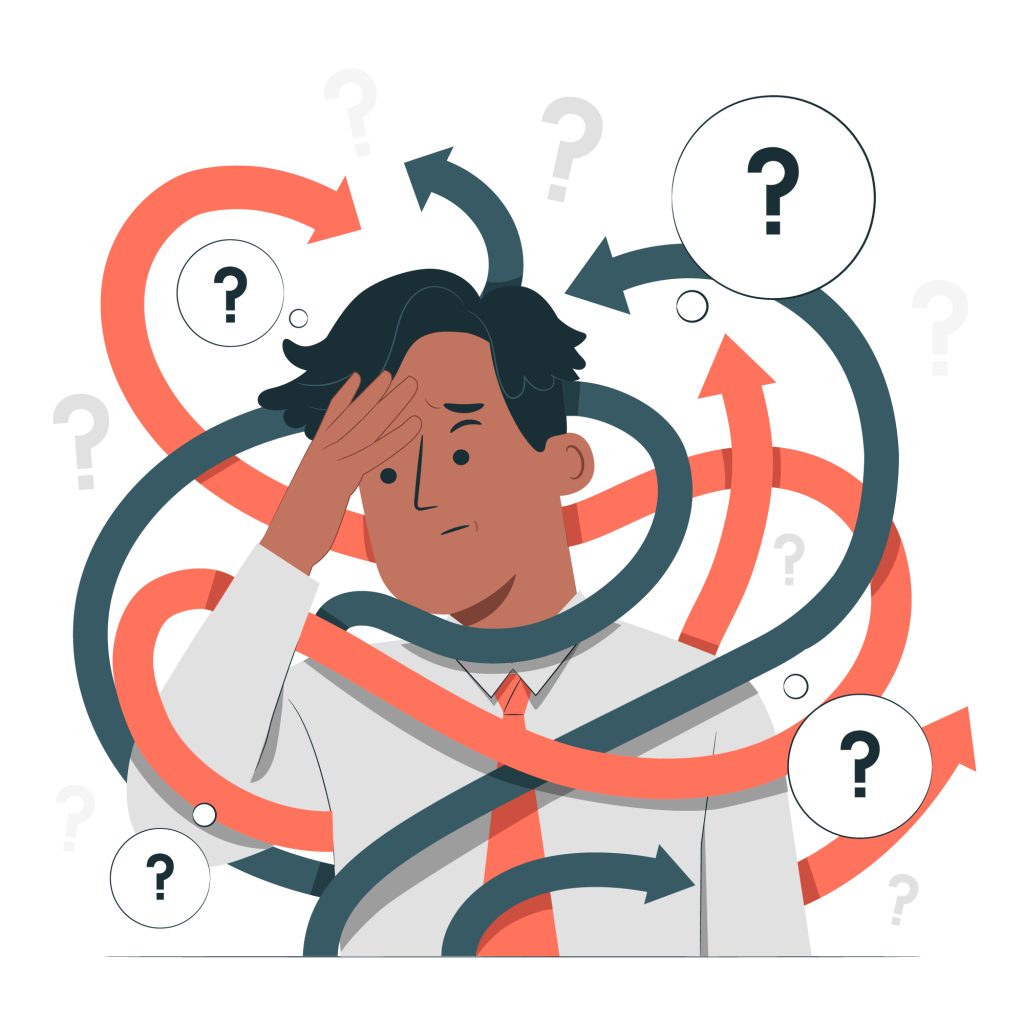
To Deal with Distractions, Retrain Your Brain to Focus…

Focusing is hard — and blaming that on the constant distractions around us is easy. But trying to get rid of distractions isn’t enough to fix the problem. We also have to retrain our brains to concentrate.

For example, when your work is interrupted by email, the real issue isn’t email; it’s that being tethered to your inbox makes you expect an interruption every few minutes. To help your brain relearn to focus, try “single-tasking”: Open only one window on your computer screen, or give your full attention to a single task at a time.

Also, practice noticing when your attention veers off course and then gently guiding it back to what you’re doing. If you think of something important while you’re doing focused work, jot it down on a notepad and come back to it later. Practicing attention management like this will build your “attention muscle,” which will give you greater control over distractions.

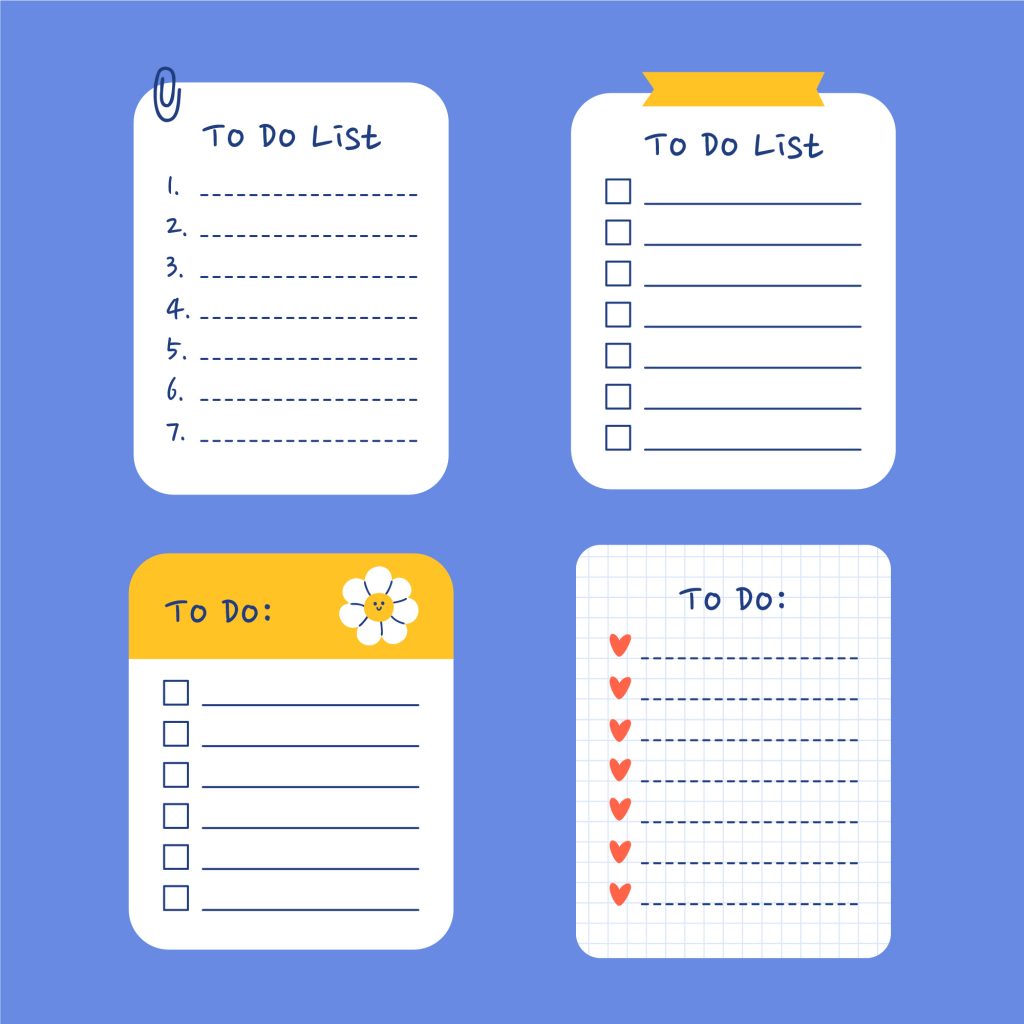
Don’t Have One To-Do List — Have Three…

A to-do list can help you stay organized and focused, but it can also become overwhelming when it gets too long and you’re not sure what to tackle next. Try keeping three lists — and a calendar.

To start off, think about all of the tasks assigned to you. Which of them truly have to get done (chances are, some don’t)? And which are truly urgent? On the first to-do list, write down your projects that are important but aren’t time-sensitive. On the second, write the things that are important and need to get done today. 

The third list is a not-to-do list, to remind you which things aren’t worth your time and which can be done by someone else. Then use the calendar to block out time for each important task according to its deadline. Once you get control of your priorities, you’ll feel liberated to focus on what really matters to you.

Two Ways to Leave Work Stress Behind

After a long day, it can be a struggle to leave work behind you. Too often, we take out job-related stress on our friends, children, or partners. Here are two ways to make sure your work troubles stay at the office:

  • Have an end-of-work habit. Signal to your brain that it’s time to go home with a ritual that helps you unwind. Take a more scenic route home, listen to music on the bus, or go to the gym. Make time for this habit so you can switch gears before you get home, not as you’re walking in the door.
  • Create a third space. It’s easy to just shuttle back and forth — physically and emotionally — between work and home. But having a third space besides these two locations will help you decompress. It might be anything from a quiet café to a book club to a poker night. It should be a place where you explore your interests, relax, and ideally find fulfillment.

3 Strategies for Presenting When Your Time Is Cut Short

One of the most common—and unpleasant—surprises you can face as a presenter is having your time cut short. Maybe there’s a technical issue that causes a delay, or maybe the previous speaker(s) ran long. How can you still nail your presentation when you have less time than you expected? Keep these three strategies in your back pocket.

  • Come prepared with two versions of your presentation. Create a full-length slide deck and a short, backup one—and practice delivering both from start to finish. If you have to go with the shorter one because of an unforeseen time constraint, be sure to let your listeners know that you’ll provide additional context after the meeting.
  • Deliver the headlines. Don’t just write bland headers for each slide; instead, write complete, descriptive headlines that tell the story. For example, rather than titling your slide “Economic Outlook for 2023,” write “Economic Outlook for 2023 Is Optimistic.” This small tweak will highlight the important, bottom-line information up top, making it easier to go through your presentation quickly in a pinch.
  • Don’t apologize, throw your colleagues under the bus, or sulk. Act like this is exactly the version you’d always planned to present all along. If you do, it’s highly likely that your audience won’t be able to tell the difference.

Are You Taking Effective Breaks from Work?

Taking breaks throughout the workday can boost both your well-being and performance, but far too few of us take them regularly—or use them effectively. Research suggests you consider the following factors to get the most out of your pause from work.

Length. A longer break isn’t always better. Disengaging from work for a few minutes but on a regular basis (micro-breaks) can be sufficient for preventing exhaustion and boosting performance.

Location. Changing locations will help you recharge. If you can get outside, even for a short walk, all the better.

Activity. Browsing social media is a popular, but not necessarily effective way to take a short break. Instead, choose to do something that enriches you, brings you joy, and gives you energy.

Pets! Research shows that interacting with a dog can lower levels of cortisol hormone, an objective indicator of stress. So if it’s possible to spend some time with a furry companion during the workday, give it a try.

Music. Music can be a really good breaker from work. It nourishes you and you feel really good after a good music break.

Movie or TV. Movie or TV watching can also be a good break, provided you use it effectively and within the time limit.