Overwhelming but still working…

Sometimes it’s overwhelming to see things that need to be done.

Sometimes it’s overwhelming to see the complexity around us for living.

Sometimes it’s overwhelming to see the web of relationships around us.

Sometimes it’s overwhelming to see life getting so complex in this digital age.

But…

As long as its working, 

As long as you are living, 

As long as you are happy! 

How does it matter…

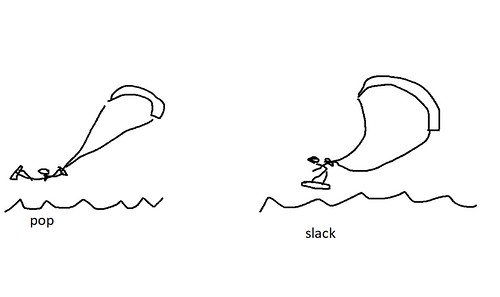
Slack is underrated…

The empty part of the drawer is what makes it useful tool.

The same goes for a filing cabinet, a toolbox, and a calendar.

Then why should we be overstuffed with things?

Being overstuffed is not useful in fact most of the time it is detrimental.

How to Work After a Bad Night’s Sleep

We all know we need a good night’s sleep for the sake of our health — and our effectiveness at work. But what about when that’s just not possible? Here’s the bad news: Coffee is only a temporary fix. But there are a few ways to mitigate the risks of working while sleepy. For example, try to focus on routine tasks that don’t require a lot of creativity (which is hard to muster when you’re depleted), and avoid taking on any high-stakes projects (because sleep deprivation makes you more prone to mistakes).

Also, look for ways you can rely on other people. Is there anything you can delegate? Or can you ask colleagues to look over your work to catch any mistakes? If not, set aside some time to review it yourself when you’re feeling more rested. Finally, if you can, consider a nap. Even a short 20-minute rest can make a meaningful difference in your effectiveness for the rest of the day.

Yet Another Change? Support Your Team Through It

Re-orgs, leadership transitions, new technologies. Change is anxiety-inducing, and you can’t rely on your team members’ individual resilience to get through. As a manager, it’s important that you address change exhaustion at the collective level. Here are four practices that can help. 

First, pause to acknowledge when a significant change is happening, and the discomfort that comes with it. For example, if your organization is altering its return-to-office plan, don’t jump right into logistics. Instead, stop to recognize the emotional toll the shift might be taking on your people. Make it a priority to set aside time in an upcoming meeting for people to share their feelings, voice concerns, and ask questions. 

Second, help your team adopt a growth mindset. Model for your team that it’s normal to be continuously evolving by using phrases like, “I am a person who is learning how to ______.” Third, make a plan — but be ready to deviate from it. By adopting a more flexible mindset, you can help your people get less frustrated when things inevitably shift. 

Lastly, invest in simple rituals that the team can do together to reduce stress. Something as simple as adding a routine meditation or lunch break to your team’s calendar can make a big difference, especially when it feels like the ground keeps moving under their feet.

No One Wants to Work for a Passive-Aggressive Manager

Working for a passive-aggressive manager can be extremely frustrating and demoralizing. Maybe your boss passes you off to someone else when you approach them with a problem, continuously finds gentle ways to shut down your ideas without a thoughtful explanation, or even ignores you when you speak. How can you navigate this kind of tricky relationship?

  • Build a supportive network. Because a passive-aggressive manager doesn’t confront you directly, it’s easy to second-guess yourself and believe you’re inventing slights. People outside of your organization will be able to offer you a fresh, unbiased perspective, emotional support, and sage advice on how to deal with your boss.
  • Don’t stoop to their level. You don’t want to earn a negative reputation with your other colleagues so avoid gossiping. But it’s ok to reach out to others if you’re actively and constructively looking for solutions.
  • Network internally. Should you want to switch teams or departments at some point, it’s a good idea to make connections in other parts of the company.
  • Know when it’s time to leave. Once you’ve exhausted all of your options, it might be time to look for greener pastures. Prioritize your well-being and career above all else.

Combat Information Overload When You Start a New Job

Starting a new job is exciting. But with it comes the often overwhelming task of digesting tons of new information. It can overload your brain and if not managed, make your shiny new role much less enjoyable. Pay attention to signs that you’re overwhelmed. This might be a headache, fatigue, frustration, or even mood swings. Don’t try to ignore these effects. Say to yourself, “I’m in a new job and there is plenty to learn here. It’s normal to feel this way.” This positive self-talk will help neutralize the situation and make your emotions easier to manage. 

Consider taking a short break, going for a walk, and resetting your attention and focus when you return. Remind yourself that all systems take time to learn and you’re doing just that — learning. 

Next, be strategic about how you spend your energy. You don’t need to process everything at once. Take in anything that you might need immediately and make note of where to find the information you won’t need until later.

It’s not easy…

If it’s easy, it would have been already done.

If it’s easy, no one would pay you to do it.

If it’s easy, there won’t be any learning.

If it’s easy, there wouldn’t be any growth.

If it’s easy, there wouldn’t be any glory.

If it’s easy, you would have got bored.

If it’s easy, you are stuck in the same place.

So stop cribbing about not being easy and embrace toughness.

And comeback with flying colors on whatever you do! 

Spectrum…

In life, there is rarely anything that is in black & white. Most of it is in the spectrum, spread over various colors. Our mind oversimplifies it to black and white, or a positive or negative.

It’s a good thing that it is in the spectrum because we can bend the mind to decide whether it’s happy or sad, or glass is half full or half empty. 

Look at any condition in life initially if it’s a happy condition there comes a point when that condition will start looking sad. Or it can be somewhere in the middle. Similarly, sometimes the initial impression of a person will be excellent but later it turned out to be a not-so-good person.

If you look deeper it’s all about our interpretation of the condition, the person, or the scenario, it is all in our mind, it’s in the spectrum.

In the end, it’s the mind that decides the side of the spectrum, good side or bad side, positive or negative.

How to Give a Powerful Compliment

When done well, a compliment is one of the most powerful ways to let someone know that you value and appreciate them. Yet, these seemingly positive interactions can be surprisingly tricky to navigate — no one wants to come across as a kiss-up. Here’s how to give a powerful compliment the next time you want to recognize someone for their work:

Be authentic. Ask yourself, “Why am I recognizing this person?” Don’t compliment someone because you feel you should; compliment them because you feel compelled to let them know how they impact you or others.

Be specific. Ask yourself, “What exactly did I experience or observe?” Give details and examples to give the recipient the context behind your admiration.

Focus on the process, not just the results. In other words, comment on how this colleague did what they did — not just what they produced.

Share the impact. Tell your colleague what their actions meant to you and the rest of the team.

Tackle That Task You Keep Avoiding…

When we’re exhausted or stressed, our brains want to save mental energy and avoid things that make us feel uncomfortable. 

So how can you get stuff done, especially challenging tasks, when you’re tired and your mind is telling you it’s not worth the effort? 

Try changing your perception of the task by using a tool called “reappraisal.” For example, you might say to yourself, “I’m going to feel better once I get this new process down on paper,” rather than repeatedly thinking, “I just don’t want to do this.” Also, remind yourself of the long-term benefit of getting the task done. For instance, you might consider: “Do I want to experiment with a new project management tool that may boost my team’s efficiency, or do I want to stick with the same existing process that none of us feel great about?” 

This will make the easier path less appealing. By reframing hard work and envisioning an incentive, you’re more likely to move past your instinct to avoid the effort and convince yourself to just get it done.